HONG KONG — The Hongkong and Shanghai Hotels, Limited (HSH), operator of The Peninsula Hotels, is preparing a new round of investment in two of its most iconic properties — The Peninsula Hong Kong and The Peninsula Tokyo — creating potential opportunities for architects, engineering consultants, contractors, interior specialists and high-end building-material suppliers.
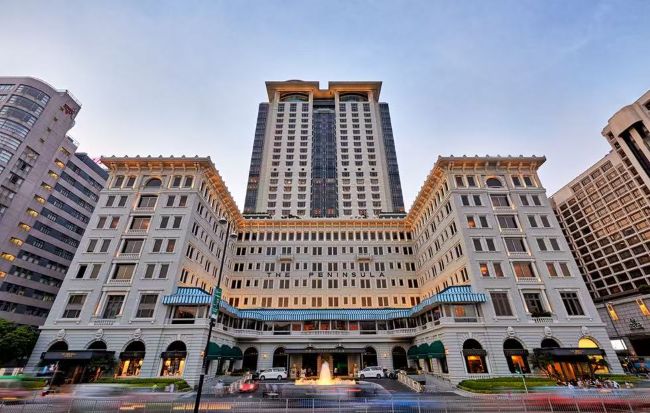
HSH confirmed in its 2025 annual results that The Peninsula Tokyo is scheduled for renovation in 2026, with the programme expected to upgrade in-room technology, guestrooms, food and beverage outlets and public areas. At the same time, the group is developing plans to enhance the physical assets of The Peninsula Hong Kong, ahead of the hotel's 100th anniversary in 2028.
The announcements signal a shift from HSH's recently completed major investment cycle towards targeted refurbishment, technological upgrading and long-term enhancement of established luxury assets.
Tokyo Renovation Opens Specialist AEC Opportunities
The Peninsula Tokyo, which opened in 2007, is a 314-room property wholly owned by HSH. The hotel delivered particularly strong operating performance in 2025, with HSH describing Tokyo as one of the group's top performers, supported by strong inbound tourism, international groups and high-profile experiential programmes.
The planned 2026 refurbishment is therefore significant from an AEC perspective. Rather than representing a new-build project, it is expected to involve complex refurbishment within a fully established luxury hotel environment.
Potential areas of work include:
- Guestroom and suite refurbishment;
- Advanced room-management and in-room technology systems;
- MEP and building-services upgrades;
- Renovation of food and beverage facilities;
- Public-area and interior fit-out improvements;
- Lighting, audiovisual and smart-building systems;
- Specialist finishes, furniture and bespoke architectural elements; and
- Phased construction management designed to maintain hotel operations.
HSH's decision to invest in technology as well as physical spaces reflects the changing requirements of luxury hospitality, where guestroom automation, energy efficiency, personalised environmental controls and digital services are increasingly integrated into the design of premium hotels.
Hong Kong Flagship Approaches 100th Anniversary
The Peninsula Hong Kong presents an even more complex refurbishment opportunity.
Opened in 1928, the hotel will celebrate its centenary in 2028. HSH has stated that it is working on plans to enhance the physical asset of the Hong Kong flagship, although detailed scope and expenditure have not yet been publicly disclosed.
The project is potentially important for Hong Kong's specialist building sector because refurbishment of the historic Tsim Sha Tsui landmark requires a fundamentally different approach from conventional hotel renovation.
The challenge is to introduce contemporary hospitality technology, upgraded building services and modern guest facilities while preserving the architectural identity and heritage value of one of Hong Kong's best-known hotels.
The Peninsula Hong Kong previously underwent a major renovation between 2012 and 2014, involving the guestrooms and other areas of the property. The hotel today combines its original six-storey 1928 building with the later 30-storey tower, creating a particularly demanding environment for any future asset-enhancement programme.
Sustainability and Building Technology Become Increasingly Important
The refurbishment strategy also fits HSH's wider sustainability programme.
HSH says it aims to reduce its carbon footprint per square metre and water footprint per guest night by 55% by 2030 compared with its 2010 baseline, with equipment upgrades and new technologies forming part of the strategy. The group has also adopted BREEAM principles for the construction and renovation of selected properties.
For AEC professionals, this means future hotel refurbishment programmes are likely to involve much more than decorative renovation. Energy-management systems, efficient HVAC equipment, lighting controls, water-saving systems, building automation and other sustainability-related technologies are becoming increasingly important components of luxury-hotel investment.
A More Selective Capital Investment Strategy
The planned upgrades should also be viewed in the context of HSH's broader financial strategy.
The group reported HK$7.58 billion in revenue from operations in 2025, an 11% year-on-year increase, while operating EBITDA rose 43% to HK$1.72 billion. Profit attributable to shareholders reached HK$320 million, compared with a loss of HK$943 million in 2024.
HSH said its major investment cycle — including The Peninsula London and The Peninsula Istanbul — was largely completed, and that its near-term focus has shifted towards optimisation and enhancement of existing assets.
This is an important signal for Hong Kong's building and construction industry. Instead of relying solely on large-scale new developments, the luxury-hospitality sector is generating demand through asset repositioning, adaptive refurbishment, technological upgrading and premium interior fit-out.
Implications for Hong Kong's AEC Sector
For architects, engineers, contractors, specialist subcontractors and building-material suppliers, the two Peninsula projects illustrate a growing market for high-value refurbishment rather than conventional new construction.
The most relevant opportunities are likely to be found in:
MEP and Building Services: HVAC, electrical systems, plumbing, energy management and building automation.
Interior Fit-Out: Bespoke guestrooms, suites, restaurants, lounges and public areas requiring premium finishes and specialist craftsmanship.
Smart Hospitality Technology: In-room controls, digital guest services, intelligent lighting and integrated building-management systems.
Sustainability: High-efficiency equipment, water-saving systems, energy monitoring and low-carbon building technologies.
Specialist Construction: Phased refurbishment, temporary works, acoustic and vibration control, logistics planning and construction within an operating hotel.
For Hong Kong's professional building industry, the significance extends beyond the value of any individual refurbishment contract. The Peninsula projects demonstrate how older premium assets can generate substantial downstream demand when owners choose to reinvest in quality, technology and long-term asset value.
As The Peninsula Hong Kong approaches its centenary in 2028 and The Peninsula Tokyo enters its next refurbishment cycle, the luxury-hospitality sector could become an increasingly important source of high-specification renovation and fit-out work across the region. (Reported by Building.hk)
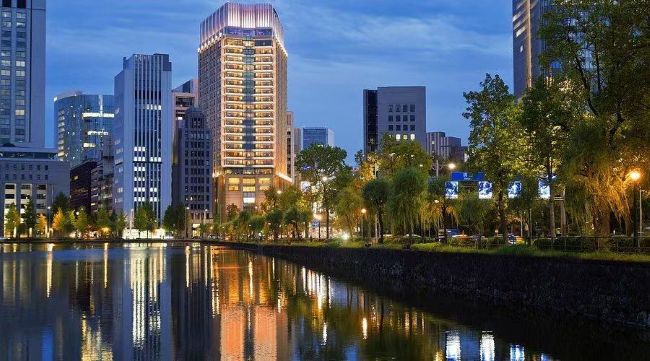
The Peninsula Tokyo (Photos: HSH)