|
|||
| MACAO | <Search <Archives <eBulletin | ||

January 5, 2026 Macao Eyes Full LRT Loop with Two New Lines Macao’s Light Rapid Transit (LRT) network is entering a new phase of strategic expansion, with the government now studying two additional lines that would complete a full loop around the Macao peninsula.
The expansion plans come at a time when the LRT system is showing signs of operational growth. According to the Macao Light Rapid Transit Corporation’s 2023 report, the system delivered 60,568 train services, a 49% year‑on‑year increase. Ridership rose sharply to 2.47 million passengers—four times the previous year—while ticket revenue reached MOP13.55 million. Although these figures remain modest relative to Macao’s overall mobility demand, they indicate a gradual strengthening of the system’s utilisation as new segments come online.
If the feasibility studies proceed smoothly, the two new lines could reshape Macao’s transport landscape by improving last‑mile connectivity, supporting redevelopment in older districts, and enhancing accessibility for major reclamation zones. For the construction sector, the initiative signals sustained public‑sector investment in transport infrastructure and a multi‑year pipeline of opportunities across planning, design, engineering, and project delivery. (Reported by Building.hk)
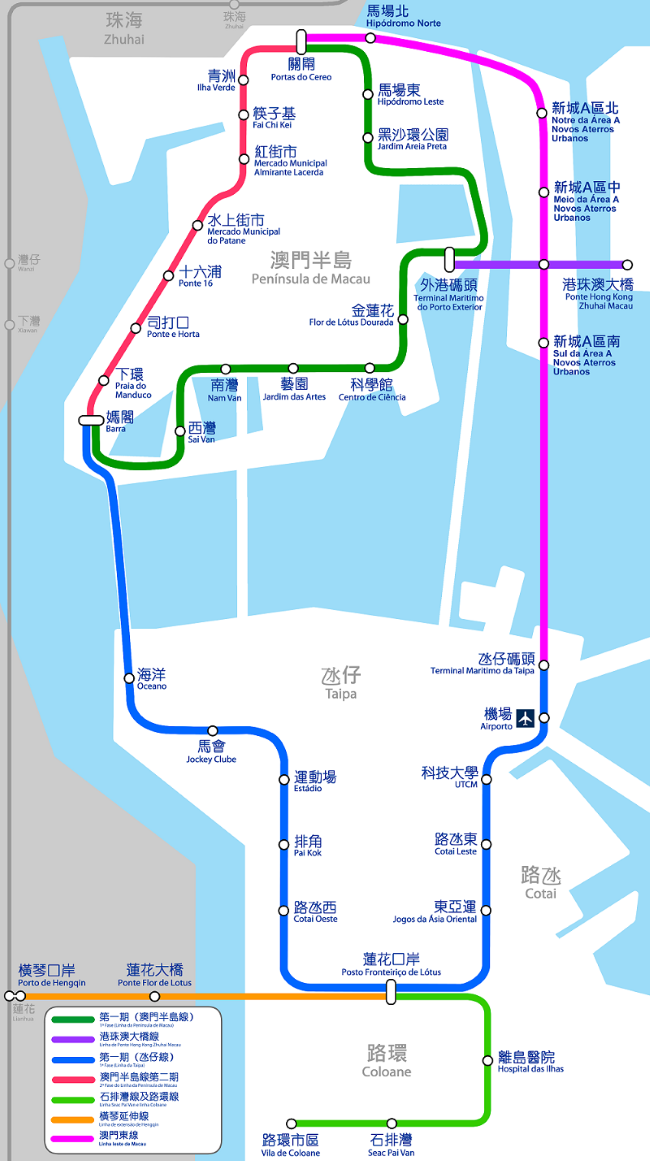 (Macao LRT)
|
|



|